Defining the Function of an Arborist: Crucial Services for Tree Well-being and Care
An certified arborist is essential for sustaining tree health and longevity. They apply specialized expertise to examine trees and create individualized care strategies. This includes trimming, identifying diseases, and handling soil health. Tree care professionals play a significant role in promoting sustainable tree growth. Their knowledge not only improves the aesthetic value of landscapes but also supports ecological balance. Grasping their main offerings can reveal the vital impact they have on developed and undeveloped environments equally.
The Value of Arborists in Tree Management

While many property owners may underestimate the function of arborists, their skill is crucial for sustaining tree health and long life. Arborists are certified experts who are dedicated to the care and maintenance of trees. Arborists have in-depth expertise of tree biology, diseases, and environmental factors affecting development. By assessing tree health, arborists can identify potential problems, ranging from pest problems to nutrient shortages.
Their offerings cover a number of important tasks, including soil care, tree evaluations, and comprehensive maintenance strategies. Tree care experts also play a major role in ensuring trees are situated in appropriate locations, taking into account factors such as sunlight, drainage, and space for growth. Their advice assists homeowners make informed decisions that foster sustainable tree development. By investing in arborist care, homeowners not only improve the visual appeal of their landscapes but also contribute to the ecological health of their surroundings, making certain trees grow strong for a long time.
Essential Tree Pruning Practices
Effective tree pruning practices are essential for maintaining healthy and robust trees. Tree specialists employ various methods to strengthen tree structure, encourage growth, and remove dead or diseased branches. One essential technique is crown reduction, which includes carefully cutting back branches to increase light access and air circulation. One other key practice is crown lifting, where the lowest boughs are removed to increase ground clearance and visibility. In addition, the practice of reducing the crown reduces the size of a tree’s canopy, lessening pressure while keeping its natural silhouette.
Proper scheduling is key; it is usually best to prune during the dormant period in the late winter or early spring months. This minimizes sap loss and fosters vigorous growth. Arborists advise the use of clean, sharp instruments to make precise cuts, which aids in preventing harm to the tree. Ultimately, these vital techniques not only improve aesthetic appeal but also substantially aid the tree's general well-being and longevity.
Planting and Transplanting Trees

When considering the establishment of new trees, appropriate planting and relocation practices are crucial to secure their effective establishment and assimilation into the environment. Arborists highlight the need for choosing the correct type of tree for the site conditions, as well as making sure the planting pit is prepared well. The hole needs to be ample in width to fit the entire root ball, facilitating natural root spread and oxygen exchange
During the relocation process, precautions must be observed to limit damage to the root system, which might obstruct the tree's chance to establish itself in the new location. Arborists advise moving trees during the period of dormancy to reduce stress on the tree
(Florence Arborist)Following installation or moving, sufficient water and ground cover are essential to support the tree's successful rooting. Arborists also suggest observing the tree’s growth and modifying maintenance routines as needed to secure a smooth integration into the surrounding environment, ultimately contributing to a healthy setting
Identifying Tree Illnesses and Infestations
How can one effectively identify the signs of tree diseases and insects? Arborists employ a deep knowledge of tree biology and site conditions to diagnose these issues. Symptoms such as leaves changing color, slowed development, or premature leaf drop frequently signal hidden issues. Additionally, the presence of unusual growths, such as galls or cankers, might suggest an illness or insect activity.
Arborists also examine the bark for wounds, holes, or insect waste, which could imply pest presence. Analyzing the soil and the immediate surroundings helps identify stress factors like inadequate drainage or lack of nutrients. Knowledge of seasonal patterns is crucial, since specific pests become active at set times.
Tree Condition Reports and Upkeep Strategies
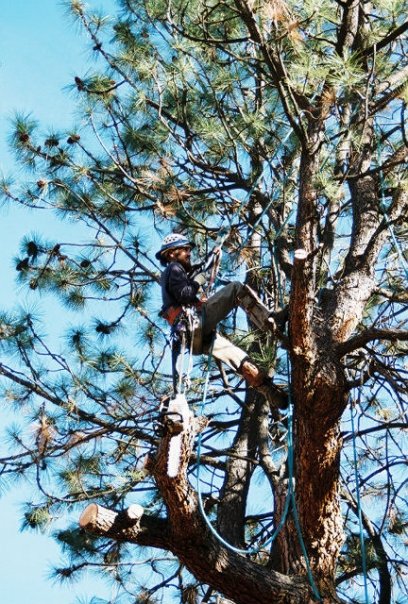
What techniques can be implemented to maintain ideal tree health? Arborists often begin by performing detailed tree health checks, which involve a detailed examination of the tree's current status, including its structure, leaves, and root structure. The inspection aids in recognizing potential concerns such as illnesses, insects, or environmental pressures. Subsequent to the assessment, a tailored maintenance plan is created, focusing on individual needs
Standard parts of these strategies cover correct watering routines, nutrient application methods, and cutting methods to boost development and hardiness - Florence Arborist. Furthermore, tree specialists might suggest using mulch and handling the soil to enhance the availability of nutrients and hold moisture. Consistent observation is crucial, which permits modifications to the maintenance plan if the environment evolves. Through the execution of these methods, tree health and survival can be significantly enhanced, ensuring they thrive in their surroundings and simultaneously benefiting the entire ecosystem
The Role of Arborists in Municipal Tree Care
Tree experts have a crucial function in municipal tree care by overseeing and preserving the health of trees in find details about city environments. The skills they possess greatly enhance to the ecosystem's steadiness and aesthetic value of urban areas. Arborists engage in tree planting, guaranteeing the right species are chosen according to local environmental factors and urban planning needs. They perform routine health evaluations to pinpoint illnesses, insects, and structural problems, implementing targeted treatments to enhance tree health.
Moreover, arborists formulate and carry out management programs that involve trimming, feeding, and watering, optimizing tree growth and longevity. They further instruct the public about the importance of trees and appropriate care methods. Through cooperation with urban developers and conservation agencies, tree specialists aid in lasting city growth, fostering biological diversity and bettering the air we breathe. Their job is essential for establishing natural areas that serve both the community and the environment, ultimately fostering healthier urban ecosystems.
Commonly Asked Questions
How Do I Search For a Certified Arborist Locally?
If you want to find a professional tree expert in your vicinity, you can look through online databases, ask at local nurseries, or contact tree care organizations. You must always confirm credentials and look at testimonials to guarantee high-quality work.
What Credentials Should I Seek in an Arborist?
When seeking an arborist, it is important to find certifications such as ISA or ASCA, relevant experience, insurance coverage, and a strong track record based on feedback. These qualifications guarantee professionalism and knowledge in arboriculture and upkeep.
Is There a Best Time for Tree Pruning?
Pruning trees works best during late winter or early spring when trees are resting. However, some species do well with summer pruning. The right time copyrights on the tree type and specific growth patterns to promote health and form.
What is the Price Range for Arborist Work Typically Cost?
The average price for arborist work is between $300 and $1,500, based on variables like tree size, location, and the difficulty of the job - Florence Arborist. The rates often differ greatly based on regional demand and service provider expertise
Can I Perform Tree Care Without Professional Help?
Absolutely, you can manage basic tree care without professional help, such as watering and mulching. Nevertheless, for more complex tasks, such as trimming or diagnosing diseases, seeking advice from a professional arborist is best to ensure the tree's vitality.